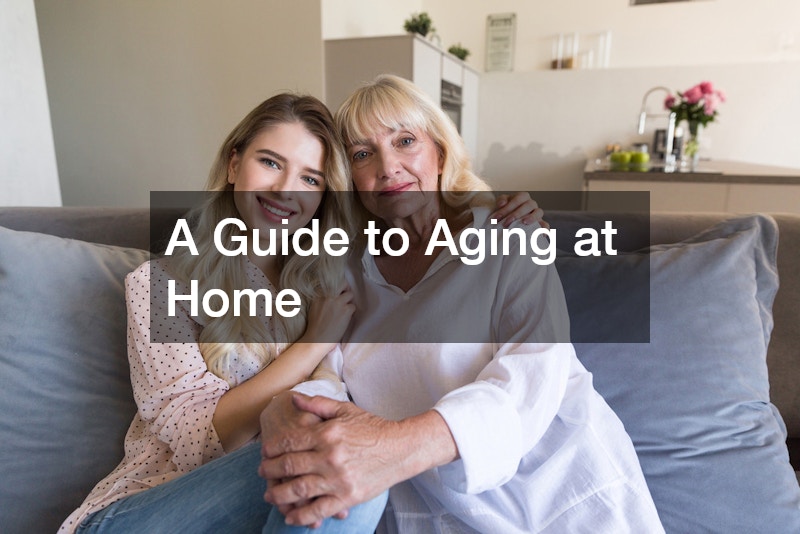
The desire to spend one’s golden years within the comfort, familiarity, and dignity of one’s own home is a foundational priority for the modern aging population. Known structurally as “aging in place,” this approach allows older adults to maintain deep connections to their neighborhoods, preserve personal autonomy, and avoid the emotional disruption of moving away from their cherished properties. However, sustaining a safe, long-term independent living environment requires far more than just a strong spirit of independence; it demands a proactive, highly coordinated strategy that addresses physical home modifications, preventative medical tracking, and adaptive community support networks.
I. Structural Modifications for Residential Falls Prevention
Eliminating Environmental Hazards and Upgrading Bathroom Architecture
The physical safety of an aging-in-place sanctuary is entirely dependent on eliminating structural friction points that increase the risk of accidental slips and falls. Statistically, the residential bathroom represents the most volatile zone in the home due to slick surfaces, high thresholds, and wet environments. To build a protective physical environment, homeowners must invest in structural modifications that favor accessibility. Replacing traditional, high-walled bathtubs with curbless, zero-threshold walk-in showers allows seniors with balance drops or joint stiffness to enter the bathing zone without raising their center of gravity, neutralizing a major injury risk factor.
Install Zero-Threshold Shower Entryways:
Remove structural lips and sliding door tracks to create a seamless, flat floor transition that easily accommodates rolling shower chairs or walker frames.
Anchor Heavy-Duty Anti-Slip Grab Bars:
Position multi-angle, textured steel grab bars inside the shower stall and directly adjacent to toilet seats, ensuring they can absorb over 250 pounds of sudden downward shear force.
Eliminate Superficial Trip Catalysts:
Remove all loose decorative throw rugs, secure extension cords along wall perimeters, and tack down any fraying carpet edges with low-profile transitional strips.
Incorporate Ergonomic Single-Lever Faucets:
Swap out traditional twist-style faucet knobs for smooth, ADA-compliant single-lever paddles that require minimal wrist torque to regulate water volume and temperature.
II. Navigating Early Home-Based Support Structures
Integrating Non-Medical Daily Living Assistance into the Household Schedule
As seniors progress in their aging-in-place journey, managing complex household chores, nutritional meal preparation, and everyday personal grooming routines can gradually become physically exhausting. Rather than uprooting a loved one’s entire lifestyle, families can introduce targeted home care frameworks to handle these task burdens seamlessly. This non-medical support tier focuses heavily on companion care and basic lifestyle management, providing seniors with a compassionate assistant who handles laundry cycles, manages grocery procurement, and offers light housekeeping support to keep the residential property clean, sanitary, and organized.
To scale this support model dynamically as physical mobility requirements intensify, families can seamlessly layer specialized home care services into the weekly calendar. These certified non-medical providers offer vital personal care assistance, including hands-on support with bathing logistics, sensitive toileting management, and safe physical transfers from beds to wheelchairs.
Draft Comprehensive Standard Daily Routines:
Map out explicit step-by-step written checklists detailing client food preferences, preferred waking windows, and light cleaning tasks for incoming care aides.
Conduct Thorough Criminal and Agency Background Sweeps:
Partner exclusively with fully bonded, state-licensed home registries that conduct rigorous background evaluations and provide immediate substitute coverage for sick staff.
Deploy Digital Care Management Portals:
Utilize modern scheduling apps to view real-time login signatures, daily mood notes, and nutritional tracking logs compiled by your home assistants.
Optimize Household Transfer Mechanics:
Train both family members and professional aides on correct biometric lifting methods, protecting the senior’s skin integrity and preventing worker back strain.
III. Activating Clinical In-Home Medical Teams
Implementing Certified Nursing Overviews and Advanced Care Plans
When an independent senior encounters progressive chronic medical conditions, complex post-surgical wound care protocols, or advanced pharmacological regimens, non-medical companion care must be supplemented with clinical expertise. Introducing a certified home health aid service to the home environment brings a higher layer of professional medical oversight directly to the bedside. Operating under the direct supervision of a registered nurse or physical therapist, these medical aides check vital signs, perform sterile dressing changes, manage catheter care, and execute complex physical therapy exercises designed to restore independent mobility after a fall or stroke.
This clinical approach transforms the residential home into a highly advanced, low-overhead medical outpost. For families managing complex, multi-system health conditions, utilizing independent home care networks eliminates the extreme physical stress of organizing frequent transport loops to congested regional diagnostic clinics. The in-home clinical team communicates directly with the senior’s primary care physicians, adjusting medication dosages in real-time and identifying early red-flag clinical anomalies before they can escalate into expensive, traumatic emergency room admissions.
Coordinate Trans-Disciplinary Care Frameworks:
Schedule weekly syncs between your in-home nurse, physical therapist, and primary care doctor to align rehabilitation benchmarks.
Automate Pharmacological Dispensing Logistics:
Deploy smart, locking medication alarms that automatically dispense specific pre-sorted pill dosages at exact times, mitigating dangerous double-dosing risks.
Verify Professional Liability Coverages:
Ensure your clinical home-health provider maintains comprehensive professional malpractice insurance to completely shield your family against medical errors.
Design Clear Clinical Escalation Protocols:
Post a high-visibility emergency sheet in the kitchen detailing exact contact numbers for the home nurse, specialty doctors, and preferred local transport units.
IV. Securing Specialized Technological and Physical Hardware
Partnering with Elite Medical Supply Chains for Fleet Integration
The baseline safety of any aging-in-place environment is fundamentally tethered to the quality and durability of the physical machinery supporting the occupant. To manage progressive physical mobility limitations effectively, families must bypass generic retail products and build a direct procurement relationship with a certified healthcare equipment supplier. These specialized commercial distributors provide access to durable, institutional-grade mobility aids—such as high-capacity patient lifts, variable-height hospital beds configured with low-shear alternating pressure mattresses, and lightweight modular aluminum wheelchair ramp networks that guarantee uncompromised structural access to the property.
Audit Equipment Supplier Medicare Accreditations:
Partner exclusively with distributors holding valid structural certifications to ensure your high-ticket gear qualifies for maximum government insurance reimbursement.
Enforce Rigorous Weight-Capacity Threshold Inspections:
Verify that all procured walker frames, lift mechanisms, and shower benches possess structural load ratings that significantly exceed the user’s current metrics.
Implement Bi-Weekly Structural Hardware Sweeps:
Maintain a strict schedule for checking wheelchair tire inflation boundaries, inspecting rubber tips on canes, and tightening structural bolt connections on ramps.
Deploy Redundant Power Backups for Vital Gear:
Connect all critical lifestyle machinery—such as oxygen concentrators or electric bed lifts—to high-capacity uninterruptible power supplies (UPS) to guard against regional grid drops.
V. Preserving Linguistic and Cognitive Engagement
Upgrading Auditory Infrastructure to Overcome Communication Barriers
Maintaining an independent senior’s long-term cognitive health and emotional well-being requires a relentless focus on sensory preservation. Pediatric and geriatric clinical research has conclusively demonstrated a direct biological connection between untreated, progressive age-related hearing loss and accelerated cognitive decline, social isolation, and clinical depression. When an older adult struggles to follow rapid conversations or decipher ambient word sounds, the brain must redirect massive cognitive energy toward pure sound decoding, starving memory centers. Investing early in a high-performance digital hearing aid breaks this destructive cycle, immediately restoring linguistic clarity and protecting vital social brain networks.
Schedule Comprehensive Diagnostic Audiograms:
Arrange a full clinical evaluation with a licensed audiologist to map precise sound-frequency drops before ordering auditory devices.
Prioritize Adaptive AI Sound Isolations:
Select devices configured with real-time sound-environment mapping software to guarantee effortless conversation tracking inside noisy family rooms.
Verify Rechargeable Battery Runtime Matrices:
Opt for devices utilizing integrated lithium-ion charging cradles to eliminate the dexterity-straining task of changing tiny disposable button cells.
Configure Personalized Smartphone Bluetooth Profiles:
Link your loved one’s auditory hardware directly to their smartphone or tablet to facilitate automated remote adjustments by their specialist.
VI. Advanced Longevity Support and Crisis Insulation
Structuring Professional Management Channels to Shield Household Capital
As the demographics of the aging population continue to expand, family members frequently find themselves functioning as long-distance care coordinators while simultaneously balancing heavy professional careers and their own children’s schedules. Managing this multi-layered logistical burden over an extended multi-year horizon requires building a resilient, long-term elderly care framework. Partnering with a credentialed geriatric care manager allows families to hand over the administrative stress of vetting individual providers, managing complex insurance claims, and continually auditing home safety compliance to a single, trusted expert who protects the senior’s well-being.
This structured management approach becomes highly critical when evaluating complex, long-term housing options and financial preservation boundaries. While the primary goal is always to maximize the aging-in-place timeline, having a professional care manager ensures that your family maintains a fully vetted, step-down contingency plan. If a sudden cognitive shift or severe physical regression occurs that makes independent living unsafe, your manager can coordinate a smooth, stress-free transition into a top-tier assisted living facility, protecting your household from reactionary, high-stress placements while keeping your loved one insulated within a supportive, community-trusted residential environment.
Retain a Credentialed Geriatric Care Manager:
Partner with an advisor certified by the Aging Life Care Association to build a balanced, objective, and data-driven long-term aging blueprint.
Construct a Centralized Digital Vault:
Organize all living wills, medical powers of attorney, insurance policies, and advanced care directives inside a secure, shared cloud environment.
Perform Comprehensive Quarterly Asset Reviews:
Monitor long-term care insurance policies and cash flow runways to maximize care quality without exposing family capital to sudden depletion.
Structure clear Parental Autonomy Legal Proxies:
Ensure all healthcare proxy designations are executed while the senior retains full cognitive metrics, eliminating future probate court interventions.
VII. Navigating Late-Stage Comfort and Palliative Sovereignty
Implementing Compassionate Specialized Medical Support Systems at the Bedside
Every comprehensive aging-in-place strategy must possess the courage and structural foresight to address late-stage comfort and compassionate end-of-life logistics. When a senior loved one enters the terminal phase of a chronic illness or experiences total systemic decline where curative medical interventions are no longer effective, the clinical focus must shift entirely from aggressive treatment to absolute pain management and emotional peace. Activating a specialized hospice at home program allows your family to honor your loved one’s wishes to remain on their own property, surrounded by familiar sights, sounds, and faces during their final chapter.
Understand the 6-Month Medicare Hospice Benefit:
Initiate palliative consultations early when a terminal diagnosis is documented, as hospice benefits can be utilized for months to maximize daily comfort.
Deploy Advanced Sublingual Pain Networks:
Utilize rapid-acting, non-invasive medication delivery systems managed by your home hospice nurse to eliminate distressing swallowing requirements.
Coordinate Respite Care Shifts for Family:
Take full advantage of the temporary inpatient or hourly respite care slots provided by your hospice program to allow family caregivers to rest and recharge.
Establish a Sacred Spiritual Comfort Environment:
Configure the home care room with soft natural lighting, familiar memory blankets, and low-volume soothing acoustics to foster an unshakeable atmosphere of calm.
VIII. Fortifying Sensory Pathways for Autonomous Mobility
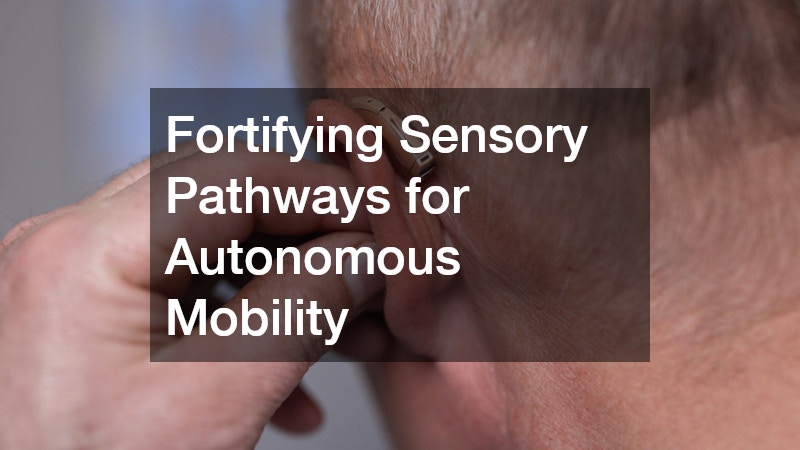
Selecting Specialized Vision Centers for Comprehensive Visual Protection
The baseline safety, physical balance, and environmental mobility of an aging adult are directly dependent on the absolute sharpness of their visual processing networks. Progressive age-related vision changes—such as cataracts, glaucoma, macular degeneration, and diabetic retinopathy—frequently develop silently without initial pain, quietly stealing peripheral vision and contrast sensitivity over time. To protect an independent senior from devastating fall risks and navigation errors, families must establish a strict care routine with a specialized eye care center equipped with advanced diagnostic imaging systems designed explicitly for the aging eye.
Verify Advanced Geriatric Diagnostic Tooling:
Choose a vision facility that utilizes active OCT scanning and automated visual field analyzers to catch deep optic nerve changes early.
Enforce Clean Architectural Lighting in the Clinic:
Ensure your chosen facility features wide, evenly illuminated corridors and accessible signage layouts to prevent consumer disorientation during dilation phases.
Audit Independent Low-Vision Therapy Support:
Inquire if the facility offers specialized occupational therapists who can train seniors to optimize their remaining vision using high-end magnification tools.
Implement Mandatory Blue-Blocking Filter Upgrades:
Outfit all prescription eyewear with advanced anti-reflective and blue-blocking coatings to reduce glare during screen viewing and nighttime navigation.
IX. Standardizing Systemic Visual Diagnostics
Implementing Annual Precision Tracking to Neutralize Silent Ocular Threat Vectors
Protecting an older adult’s independent mobility requires moving away from basic, quick vision screenings and committing to a rigorous, annual diagnostic routine. A simple chart-reading check cannot detect the complex fluid pressure changes or vascular anomalies that threaten aging eyes. Ensuring that your independent loved one undergoes a comprehensive adult eye evaluation every twelve months is an absolute prerequisite to long-term aging-in-place success. This comprehensive evaluation loops in advanced binocular pressure testing, dilation-based macular mapping, and precise contrast-sensitivity metrics.
Enforce Strict 12-Month Evaluation Schedules:
Automate calendar notifications to book deep visual tracking appointments every autumn, ensuring prescriptions are current ahead of hazardous winter lighting drops.
Insist on Dilated Macular Examinations:
Ensure the practitioner always performs a full-dilation exam to check the peripheral retina for micro-tears or early dry macular adjustments.
Audit Digital Tonometry Eye Pressure Logs:
Track your loved one’s internal intraocular pressure (IOP) scores across multiple years to detect early glaucoma trends before nerve death occurs.
Coordinate Transportation Logistics for Dilation Blocks:
Arrange for a family member or professional driver to manage the transit home following an exam, as post-dilation glare makes driving unsafe.
The true victory of independent aging is found in its structural configuration—the reality that a family’s proactive home modification strategy directly preserves a grandparent’s dignity, secures their connection to the community, and provides complete emotional comfort to the entire family circle. While changing health profiles, progressive sensory shifts, and unpredictable life events will always present fresh challenges, a household that manages its options with clear data, enforces strict quality controls, and honors the science of preventative care will always succeed. By leading with executive foresight, compassion, and strategic planning, you can ensure your loved ones navigate their golden years with absolute safety, complete autonomy, and unshakeable prosperity across all the miles ahead.